Nassau is three counties wearing one name
Most of the South Shore went up in the same post-war years. Levitt & Sons put up 17,447 houses between 1947 and 1951 on concrete slabs with no basement, and Massapequa, Wantagh and Seaford followed in the same years by other builders — so slab, crawlspace and full basement can sit on the same street. Establishing which you are buying is the first question, not an assumption, and on a slab house the attic, the walls and every accessible panel matter more, because there is no below to inspect from.
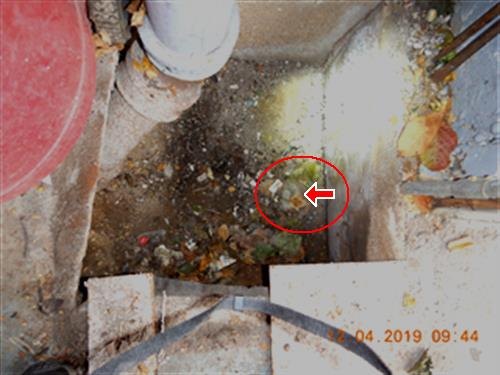
South of Merrick Road the questions are mostly about water. In 2012 the western bays saw record coastal flooding that went above FEMA's hundred-year base flood elevation, and a great many houses were repaired, raised, or both. If the house was raised: how the structure sits on its new supports and whether the panel and mechanicals went up with it. If it was repaired in place: what the water did behind replaced-looking finishes. Your address decides the flood zone, not your town.
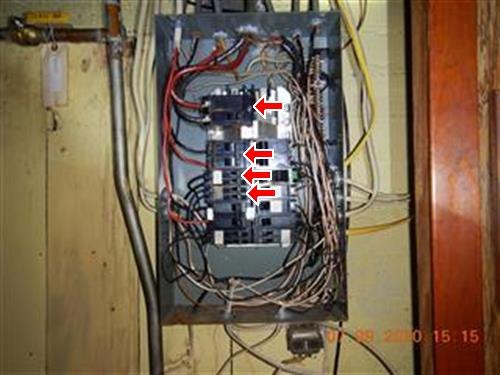
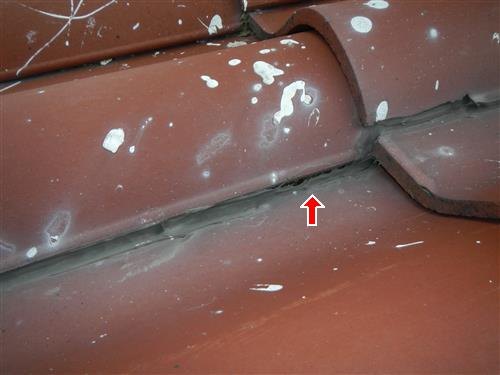
Garden City, Rockville Centre, Port Washington and the older streets of Bellmore and Merrick carry pre-war houses, and an older house is not a worse house — it is one whose systems were installed under different rules and replaced piecemeal. Knob-and-tube, cloth-sheathed cable and fuse boxes turn up behind the panel; cast iron waste, galvanized supply and last year's kitchen plumbing coexist; slate outlives its flashing. New York requires the panel covers off and the report to say how the roof was observed, and on an older house that is precisely where the story is.
Related: What sits under a post-war slab · The flood zone, explained · When the house is older than the code.