Nassau County
5.7%
of tested basements at or above 4.0 pCi/L. Average 1.48 pCi/L across 837 homes tested.
Not one basement in the Nassau sample exceeded 20 pCi/L. The highest single reading in the county was 13.9.
That is an odd thing to put at the top of a page about radon testing, and it is the honest answer. New York State has been collecting radon results county by county since 1987 and publishes them. The numbers are not close between one end of Lou's service area and the other.
Lou tests for radon. He places a passive device during the inspection visit, and a New York accredited laboratory reports the result. It is a separate service from the home inspection and priced separately, in Nassau, Suffolk, Queens, Brooklyn, Manhattan and Westchester. The estimate costs nothing. Call 516-330-3870.
5.7%
of tested basements at or above 4.0 pCi/L. Average 1.48 pCi/L across 837 homes tested.
Not one basement in the Nassau sample exceeded 20 pCi/L. The highest single reading in the county was 13.9.
7.6%
of tested basements at or above 4.0 pCi/L. Average 1.84 pCi/L across 580 homes tested.
Slightly higher than Nassau and still low. Three homes in the sample came in above 20, so “low on average” is not the same as “impossible here”.
17.5%
of tested basements at or above 4.0 pCi/L. Average 2.84 pCi/L across 2,875 homes tested.
Roughly one basement in six. That is about three times the Nassau rate, on a sample more than three times the size.
Source: New York State Department of Health, radon test results by county, tests recorded from 1987 onward. These are real measurements submitted over decades, not a prediction. Worth knowing: the EPA's radon zone map puts Nassau, Suffolk and Westchester in the same lowest zone, yet the measured results differ threefold between them. That map was drawn in 1993 and is county-wide, and the EPA's own instruction is that it “should not be used to determine if individual homes need to be tested”. The measured results are the better guide.
Neighbouring Putnam County, just north of the service area, shows where the trend goes as you continue up-country: its county average, 4.69 pCi/L, is itself above the action level.
Mostly low, as the county numbers suggest. But the north shore is not the south shore, and two towns run at roughly double the rest.
Smithtown and Huntington are the two worth pausing on. A Huntington basement is about four times as likely to test high as one in the Town of Hempstead, and the highest single Suffolk reading in the State's records, 42.6, came from Smithtown. If you are buying around Huntington or Northport, this is a real question rather than a formality.
A different order of magnitude. These are the towns with the highest share at or above the action level.
One more signal points the same way: New York State Homes and Community Renewal requires passive radon mitigation in Westchester, and does not require it in Nassau or Suffolk.
A town average cannot tell you about one house. Two houses on the same street can read differently depending on the foundation, the soil under it and how the place is ventilated. It tells you how worthwhile the test is.
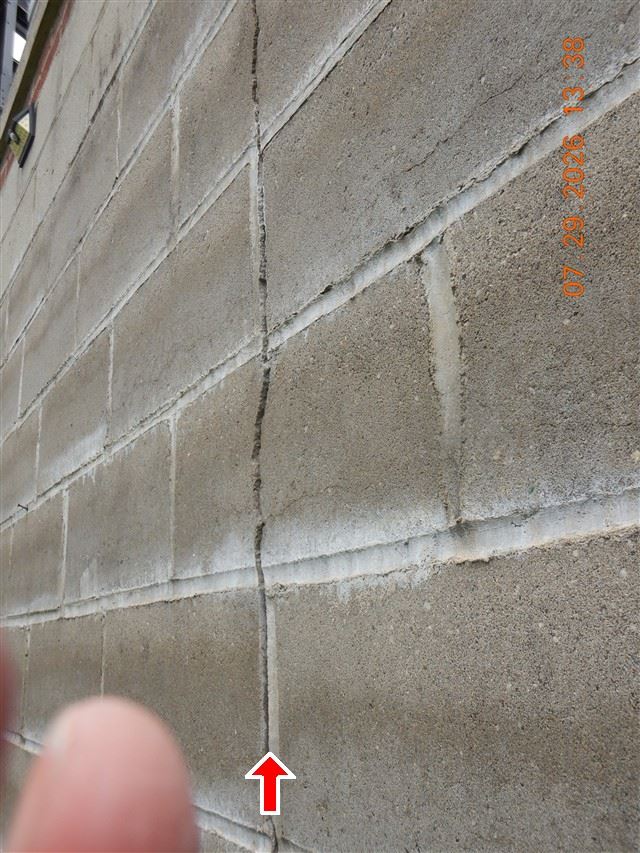
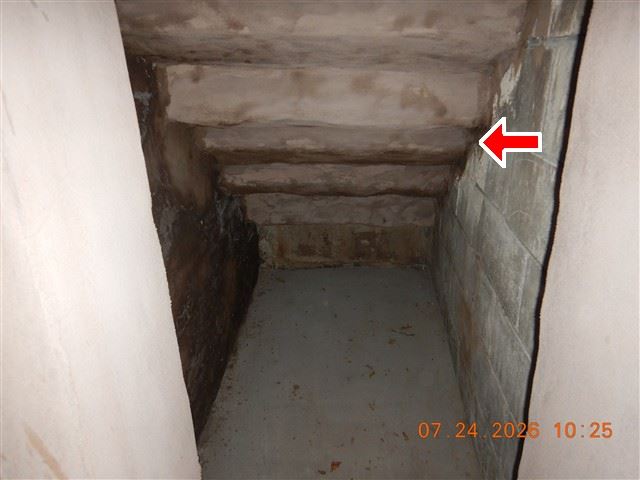
Radon comes out of the ground, not out of the building materials, and it moves into a house through whatever is open to the soil: foundation cracks, the gap where a slab meets a wall, sump openings, unsealed crawlspaces. That is why a basement reads higher than a first floor, and it is why the State publishes the two separately. Across Nassau, first-floor tests averaged 0.75 pCi/L against 1.48 in basements.
It also means the result belongs to the house rather than the neighbourhood. A finished basement that someone sleeps in is a different question from a crawlspace nobody enters.
62
out of 1,000 people exposed to 4 pCi/L over a lifetime could get lung cancer. The EPA puts that at about five times the risk of dying in a car crash.
7
out of 1,000 at the same 4 pCi/L. Lower, and not nothing. At the average indoor level of 1.3 pCi/L it is about 2 in 1,000.
Both figures are EPA’s own, from A Citizen’s Guide to Radon. They describe lifetime exposure at a constant level, not a year in a house.
There are none. That is the honest answer, and it is worth saying plainly because a great many pages on this subject imply otherwise.
Radon causes no headaches, no nausea, no tiredness, no rashes, no smell and no taste. You cannot see it. Nobody has ever walked into a house and noticed radon. If a website offers you a list of radon symptoms, it is describing something else.
The damage is slow and silent: breathing it over years raises a lung cancer risk that appears decades later. That is precisely why the test exists. A radon measurement is not confirming something you already suspect. It is the only way the question can be answered at all.
If you have symptoms that worry you, that is a conversation with a doctor rather than a home inspector. What Lou can tell you is what the number in your house is.
It is a closed-house test, so the windows and outside doors stay shut while it runs. 48 hours if the house is empty, 96 hours if someone is living in it.
Lou puts the canisters at the lowest level that could be lived in and picks a low-traffic spot, then arranges them so he can tell on collection whether anything was moved. A disturbed canister is a void result, and it is better to know that than to report a number that is not real. It happens on the same visit, so it does not cost you a second appointment.
The result comes back from a New York accredited laboratory. Lou places the device; he does not read or interpret the sample himself, and the report carries the laboratory's own identification.
Under 4.0 and there is nothing to act on. At or above it, the fix is a mitigation system installed by a mitigation contractor, a known job with a known cost, not an unknown.
Radon testing is arranged separately from the home inspection and priced separately. If a result comes back high, Lou does not sell you the fix and does not take a fee for pointing you at someone who does. New York forbids referral fees in connection with an inspection, and that rule is worth knowing about.
Yes, but usually at low levels. 5.7% of tested Nassau basements were at or above the action level, averaging 1.48 pCi/L; Suffolk was 7.6% and 1.84. Both counties are in the EPA's lowest radon zone.
It is a much stronger case. 17.5% of 2,875 tested basements were at or above the action level, averaging 2.84, and several towns run past 30%. Putnam next door reaches 34.3%.
A closed-house test: 48 hours if the house is empty, 96 if someone is living in it. Separate from the inspection and priced separately, so ask Lou for a figure when you call. The estimate costs nothing.
No. New York does not require a buyer to test for radon, and radon is not part of the State's minimum standard for a home inspection under 19 NYCRR Part 197 — which is why it is a separate service, arranged and priced apart from the inspection. The device is placed during the visit and the result comes back from a New York accredited laboratory.
Where the State does say something is in how houses are built: New York State Homes and Community Renewal requires passive radon mitigation in Westchester and does not require it in Nassau or Suffolk. That is not a testing rule for a sale, but it is the State's own reading of where the risk sits, and it matches the test results above. So the honest answer is: not required anywhere, worth doing on Long Island if the lowest level is lived in, and hard to argue against north of the city.
What the State does require of a home inspection · Radon in Westchester, in more detail
Lou places the measurement device and an accredited laboratory reports the result. He is not a doctor, and this page is not medical advice.
Tell Lou where the house is and what the lowest level looks like. He will tell you straight whether a test is worth your money, including when he thinks it is not.
Or read how an inspection estimate is put together or read the specimen report.