NYC condo & co-op inspection in Manhattan: the line between what you own and what you pay for
In a Manhattan apartment the things most likely to cost you money are usually not inside the apartment. They are the roof, the risers and the facade, and you will meet them as an assessment rather than a repair.
The visible plumbing and its supply and waste connections. The panel or fuse box that serves the apartment, the circuits, and the receptacles tested rather than assumed. Heating and cooling equipment that belongs to the unit. Windows, floors, plaster and ceilings — and the staining and patching that says water has arrived from above or beside before, whether or not anyone mentions it.
Thermal imaging is part of the inspection, not an extra. In an apartment it earns its place: it shows a cold line where insulation stops behind a finished wall, and damp where a plaster repair looks perfect.
The building's roof, boiler, risers, structure and facade belong to the corporation. They are usually not accessible during a unit inspection, and no inspector can tell you whether the reserve fund is healthy or whether a Local Law 11 facade cycle is about to land in your maintenance.
This is where New York's own rule does real work. Under 19 NYCRR 197-5.3(c), any system or major component that was not observed must be listed in the report as not observed, together with the reasons. In an apartment that list is long, and it is the most valuable page you get — it converts a vague unease into a specific set of questions for the managing agent, the board minutes and your attorney.
An inspection tells you the condition of what can be reached. The not-observed list tells you exactly which questions the inspection could not answer, which is what makes them answerable by someone else.
Where building management gives permission, Lou will also look at the common areas — the cellar, the boiler room, the roof where it can be reached safely, the stair and the service risers. It is worth asking for. The condition of the plant that serves your line tells you more about your future costs than anything inside the apartment does.
Arranging that access is a phone call to the managing agent before the date, and it is the single most useful thing a buyer can do to make an apartment inspection worth more than a walkthrough.
Before he was an inspector he spent more than thirty years in residential and commercial construction, much of it on century-old buildings. That is the background that makes a pre-war apartment readable rather than intimidating: original wiring altered four times, steam risers boxed into a closet, a bathroom rebuilt over an older leak, casement windows that were replaced in a way the building's own rules did not allow.
A home inspection reports on condition, not on legality — New York is explicit that an inspector may not determine compliance with codes, laws or ordinances (19 NYCRR 197-4.4(d)). What the report does is describe accurately what is there, so any mismatch is visible to you and your attorney before closing rather than after.
Under contract on a Manhattan apartment?
Ask the managing agent for common-area access, then get a report that says plainly what was seen, what was not, and why.
City apartments are quoted individually — see what an inspection costs, read what New York requires of your inspector, or see a real report.
Photographs from real inspections
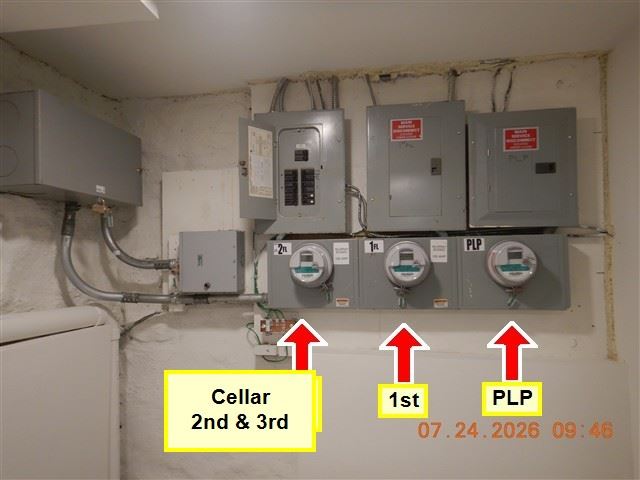
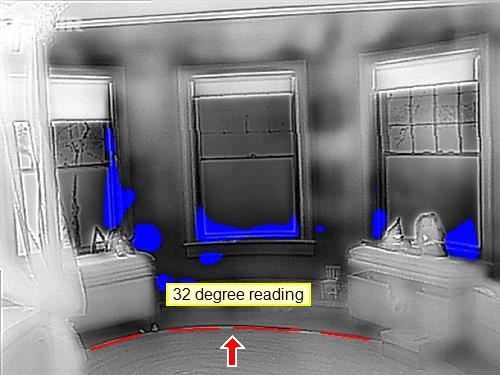
Real photographs from Lou's own inspections, chosen because they show a building component and nothing that identifies a property or an owner.
- Levittown & MassapequaLevitt-era slabs and expansion attics
- Long Beach & Island ParkFlood zone, elevation and drainage
- Garden City & Rockville CentrePre-war houses and original systems
- Huntington & NorthportSeptic, well and north shore grades
- Queens co-ops & condosShared systems and board access
- Brooklyn brownstonesCentury-old party walls and cellars
- Manhattan co-ops & condosBoard packages, risers and what you never own
- WestchesterOlder housing stock, larger lots
- Town by townEvery town in Lou's records, with the real counts
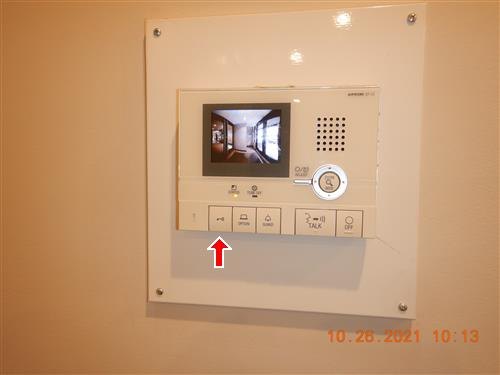
Why this matters — why findings are photographed
Every photograph in a report exists to make a finding checkable — the point is not the picture, it is that you and your attorney can see exactly what the inspector saw. Read a complete sample report.
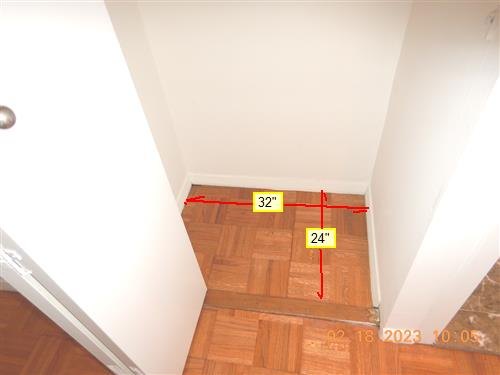
Why this matters — why findings are photographed
Every photograph in a report exists to make a finding checkable — the point is not the picture, it is that you and your attorney can see exactly what the inspector saw. Read a complete sample report.
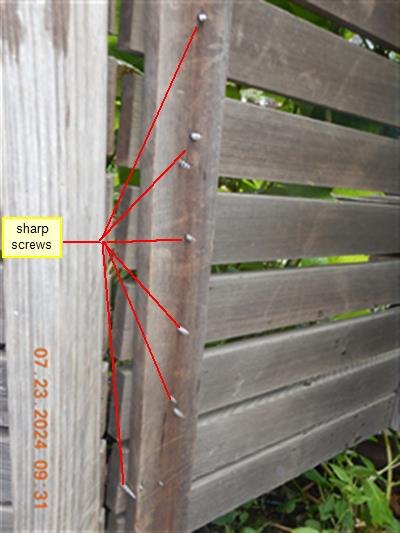
Why this matters — why findings are photographed
Every photograph in a report exists to make a finding checkable — the point is not the picture, it is that you and your attorney can see exactly what the inspector saw. Read a complete sample report.
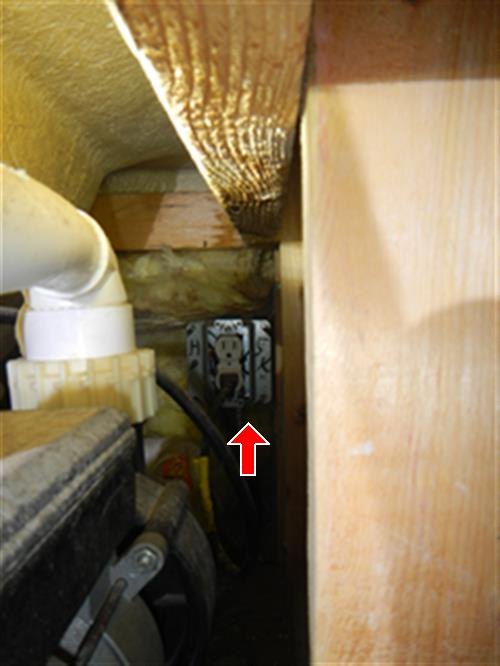
Why this matters — why findings are photographed
Every photograph in a report exists to make a finding checkable — the point is not the picture, it is that you and your attorney can see exactly what the inspector saw. Read a complete sample report.
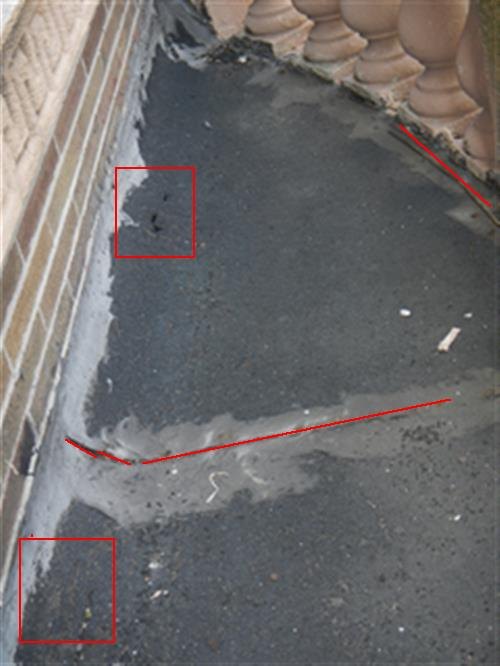
Why this matters — the flat roof
A flat roof hides everything from the street: membrane seams, patches, drainage and parapet condition. Patching is normal maintenance — the report records what condition the membrane shows today and whether repair or further evaluation is the honest next step. How roofs are examined and reported.
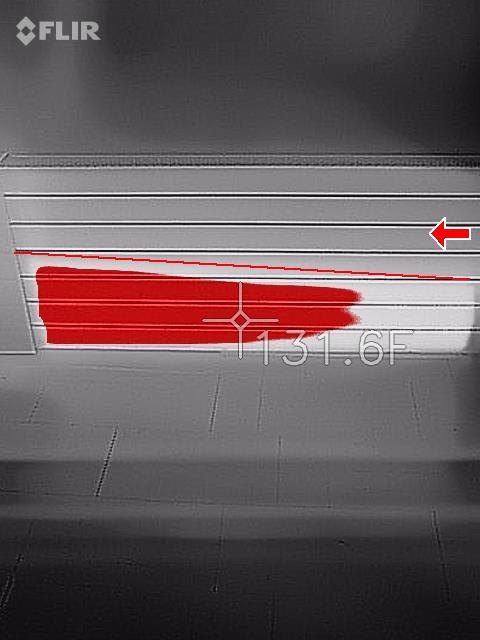
Why this matters — thermal imaging
A thermal camera reads surface temperature differences — the starting point for finding air leaks, missing insulation and wet materials that warrant a closer look. It is evidence for further investigation, not a verdict by itself. How thermal evidence gets used.
All photographs are from Lou's own inspection reports for jobs in this area, screened so nothing identifies a property or an owner.