Commercial property inspections, by someone who built commercial property
Before he inspected buildings, Lou spent more than thirty years in residential and commercial construction. On a commercial building that background is the whole point: knowing how it was put together is what tells you what to look at.
This matters more than it sounds. New York’s home inspector licence and its standards of practice govern residential buildings of one to four dwelling units. A commercial inspection sits outside that framework, which means there is no regulation quietly deciding what is and is not included.
So it gets decided openly, in advance, in writing: which buildings, which systems, what is accessible, what will need a specialist, and what the report will and will not say. You know exactly what you are buying before the visit rather than discovering the boundary in the report.
Roof coverings, flashings and drainage. Structure and visible framing, slabs and foundations. The building envelope — masonry, sealants, windows and doors, and the places water gets in. Electrical service, distribution and panels. Plumbing supply, waste and water heating. Heating and cooling plant. Stairs, rails and means of egress as they present on the day. Parking, paving and site drainage.
Thermal imaging is included, as it is on every inspection Lou does. On a flat commercial roof or a large masonry elevation it is often the fastest way to find where water is actually tracking.
An inspection reports on condition. It is not an appraisal, not an environmental assessment, and not a determination of code compliance — where one of those is what you need, the report will say so plainly rather than blur the line.
Buying or leasing a commercial building?
Call and describe the property. Scope and price are quoted for the building in front of you, not from a table.
See a real report or who Lou is.
Photographs from real inspections
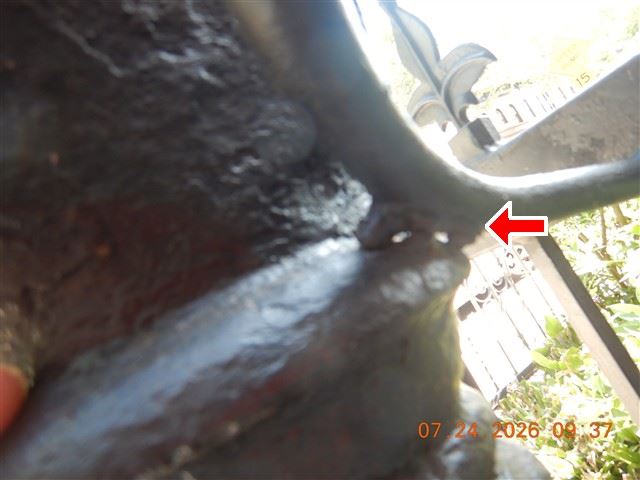
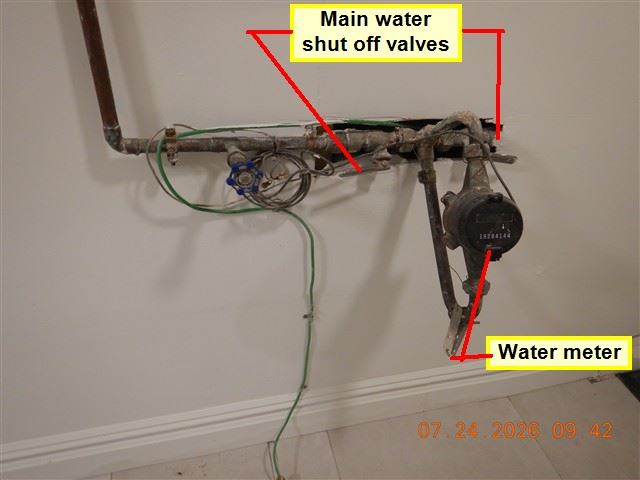
Real photographs from Lou’s own inspections, chosen because they show a building component and nothing that identifies a property or an owner.