Brooklyn brownstone inspections: century-old townhouses fail differently
A 1900 row house and a 1995 colonial have almost nothing in common behind the finishes. Attached walls, a flat roof, a cellar rather than a basement, and a hundred years of other people's repairs.

The things a suburban checklist misses
Lou spent thirty years building and renovating before he started inspecting, and pre-war city housing is where that matters most. These are the items a suburban checklist does not contain.
- Party walls. An attached house shares structure with its neighbors. Movement, moisture and fire separation all behave differently when the building next door is part of yours.
- Flat roofs and drainage. Ponding, failed flashing at the parapet, and internal drains that nobody has opened in years.
- The facade. Spalling brownstone, failed pointing, and previous repairs done in the wrong material — which fails faster than the stone it was meant to protect.
- Knob-and-tube. Pre-war wiring hidden behind newer renovation work. Finding it is a safety issue, not a footnote.
- Cast iron waste stacks. A century-old stack can look sound and be paper-thin at the joints.
- Lead and galvanized supply. On one inspection Lou found a lead service line the previous owners did not know was there.
- Steam heat and old boilers. One-pipe steam is its own discipline, and the cost of getting it wrong is a heating system.
- Settlement, old versus new. Cracking that has been stable for eighty years, and cracking that started last winter, do not look the same to someone who has built.
A Brooklyn brownstone, on very short notice
“We needed a home inspection on very short notice, and he made himself available for a 3-hour inspection to keep us within our timeline. Lou possesses a deep wealth of knowledge about Brooklyn brownstones and townhouses, and was able to explain historic quirks and issues specific to the home, and provided suggestions about facade restoration and electrical upgrades.”
For condos and co-ops, common areas sit outside a standard unit inspection — the roof, the cellar, the mechanicals you will be paying to maintain through your monthly charges whether you ever see them or not. Where building management will grant access, Lou will look at what they let him into, so it is worth asking them before the inspection is booked. Whatever he cannot reach is listed in the report as not observed, with the reason.
One Brooklyn client had several condo inspections done and put it plainly: “He can work with a tight schedule and does a very thorough inspection. His reports are excellent.”
Under contract on a brownstone?
Call and describe the building — age, how many units, whether it has been renovated. Lou will tell you what he would be looking for, and whether he can make your deadline.
Photographs from real inspections
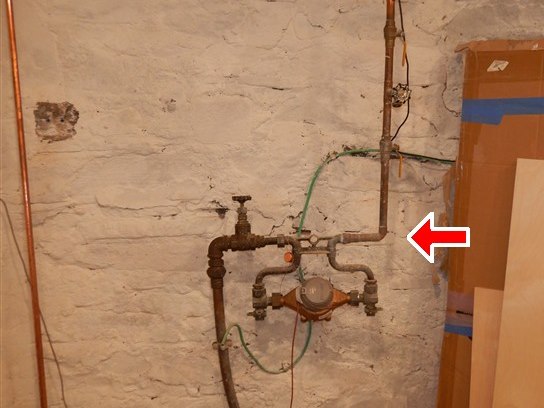
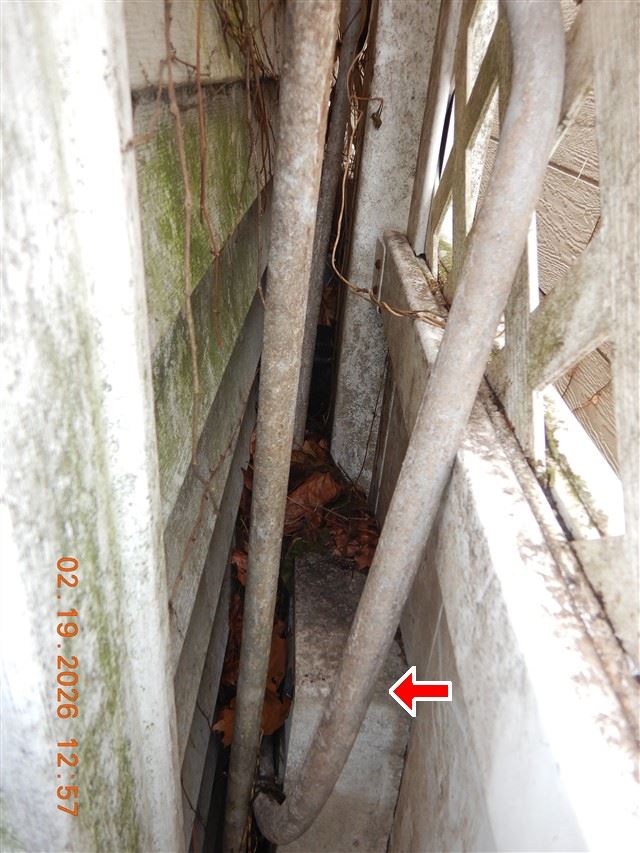
Real photographs from Lou's own inspections, chosen because they show a building component and nothing that identifies a property or an owner.
- Levittown & MassapequaLevitt-era slabs and expansion attics
- Long Beach & Island ParkFlood zone, elevation and drainage
- Garden City & Rockville CentrePre-war houses and original systems
- Huntington & NorthportSeptic, well and north shore grades
- Queens co-ops & condosShared systems and board access
- Brooklyn brownstonesCentury-old party walls and cellars
- Manhattan co-ops & condosBoard packages, risers and what you never own
- WestchesterOlder housing stock, larger lots
- Town by town26 towns and neighbourhoods, with the real counts
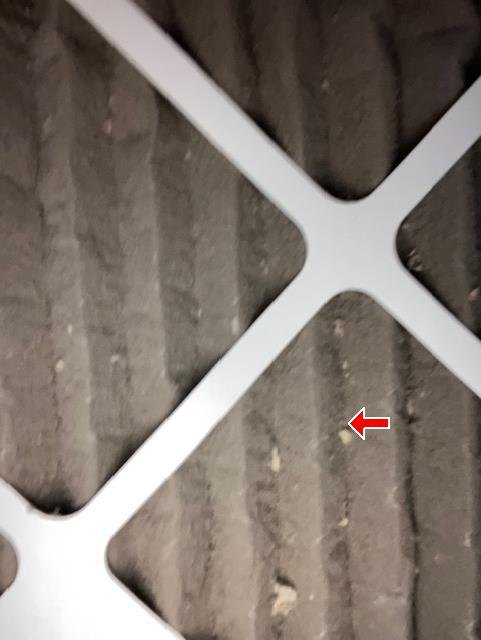
Why this matters — why findings are photographed
Every photograph in a report exists to make a finding checkable — the point is not the picture, it is that you and your attorney can see exactly what the inspector saw. Read a complete sample report.
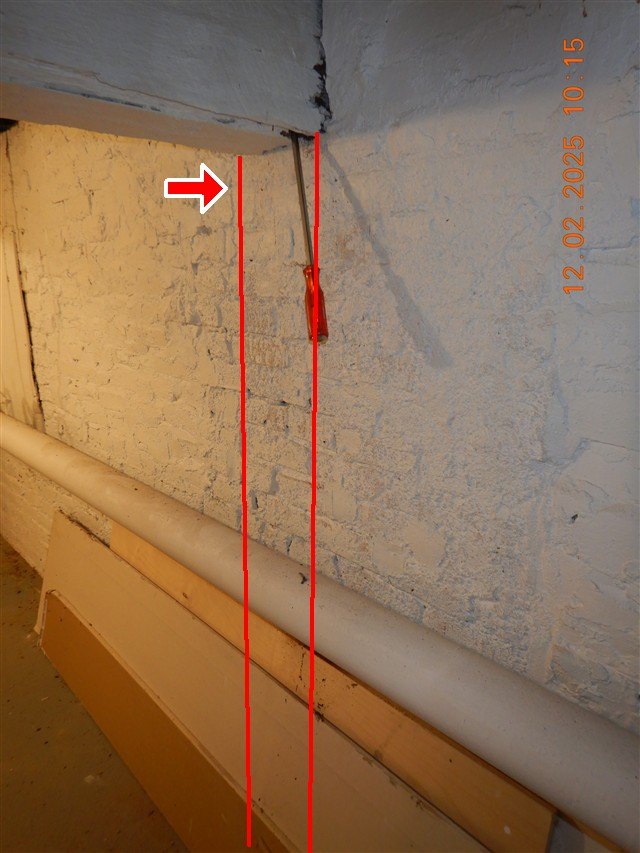
Why this matters — the structure
Cracks and damaged framing are information: their pattern and extent tell the report whether further evaluation by an engineer or the right contractor is the honest next step. The report documents location and extent so change can be seen later. What a condition report does and does not rule on.
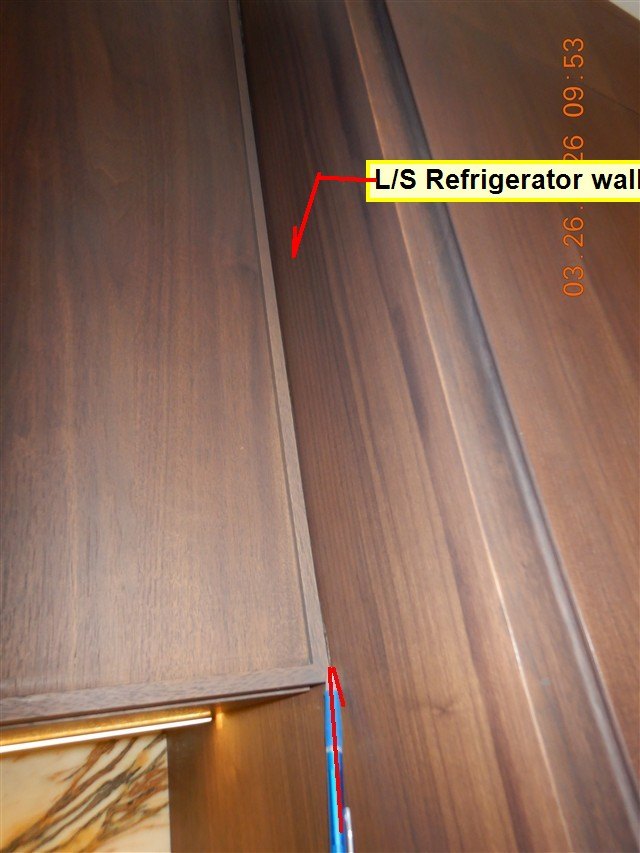
Why this matters — interior evidence
Interior finishes are read as evidence, not decoration — a crack pattern, a stain edge or a new patch of paint each say something about what the building has been doing. See how findings are documented.
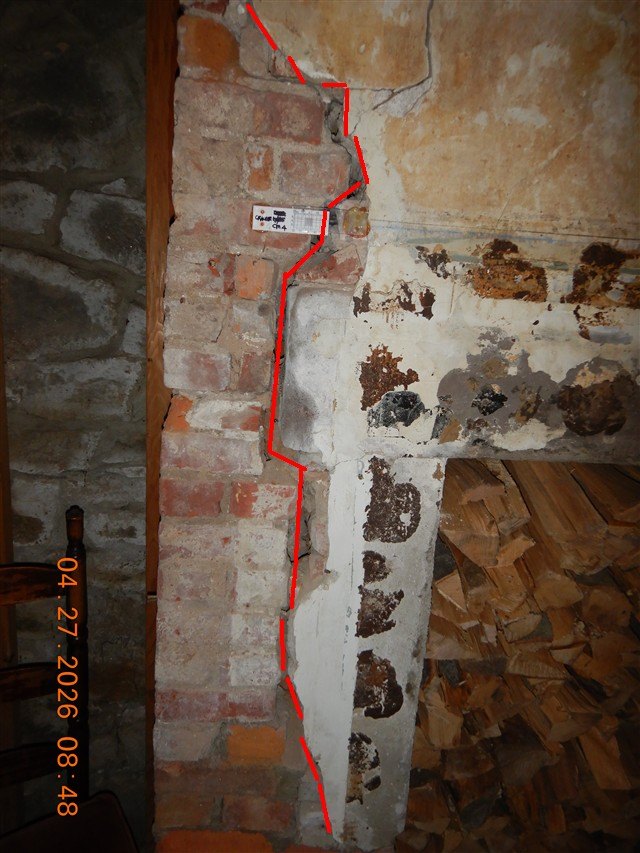
Why this matters — the structure
Cracks and damaged framing are information: their pattern and extent tell the report whether further evaluation by an engineer or the right contractor is the honest next step. The report documents location and extent so change can be seen later. What a condition report does and does not rule on.
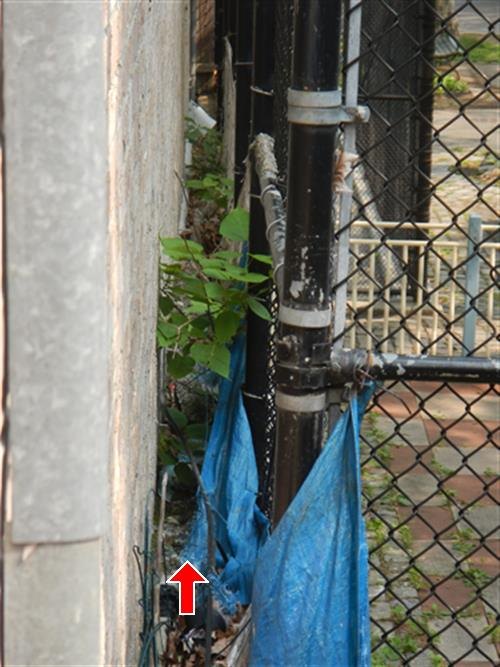
Why this matters — the exterior envelope
Siding, trim, masonry and parged walls are the building's raincoat, and cracks or failed mortar can give water a way in. The report documents their location and pattern so the right contractor or specialist can evaluate them when warranted. Where water gets in, explained.
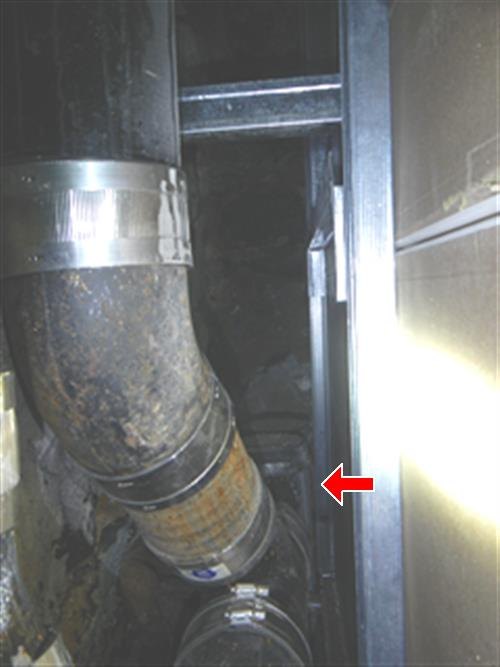
Why this matters — the drains
Drains are judged where they are visible — traps, materials, slopes and improvised repairs. An improper fitting works right up until it does not, which is why it belongs in the report while it is still cheap. See how findings are written up in a real report.
All photographs are from Lou's own inspection reports for jobs in this area, screened so nothing identifies a property or an owner.