Under contract and on a clock? Call 516-330-3870 Text Email

Inspect This Home Inspections Army Veteran Owned · NY Licensed
Nassau County · South Shore

Home inspections in Levittown & Massapequa: what sits under a post-war slab

Levittown is 17,447 houses that Levitt & Sons put up between 1947 and 1951 — all slab, no basement. Massapequa, Wantagh and Seaford went up in the same years but by other builders, so what is under the floor varies house to house. Lou lives in Wantagh. Establishing which you are buying is the first question, not an assumption.

Built fast, built identical — in Levittown

Between 1947 and 1951 Levitt & Sons put up 17,447 houses on the old potato fields, on concrete slabs, with no basement, heated by hot-water pipes running inside the slab itself. The neighboring towns share the era and the scale but not necessarily the method — expect slab, crawlspace and full basement within a few streets of each other.

Establish this first

Heating pipes inside the concrete

The original Levittown system ran hot water through copper cast into the slab. That tubing typically lasted about twenty years, and by most accounts only around five percent of these houses still run on it — nearly all were converted to fin-tube baseboard around the perimeter.

So the question is which one you are buying: a live slab loop, or an abandoned one with baseboard added later. A live loop that fails does not drip somewhere convenient — a warm patch of floor, a boiler topping itself up, heat that never reaches one end. The fix is usually abandoning the loop and running baseboard, not opening the slab.
No basement

Nowhere to look from underneath

In a house with a basement you inspect the plumbing and wiring from below. Here there is no below.

That makes the attic, the walls and every accessible panel more important, not less — which is why each of them has to actually be opened.

By design

The expansion attic

Levitt sold the attic unfinished on purpose, expecting owners to finish it later. Many were finished, over seventy-odd years, to whatever standard applied at the time — if any.

If yours is finished, worth establishing: whether the floor was framed for living space or only for storage, whether the stair is steep, narrow or short on headroom, whether a finished bedroom has a second way out, and whether the wiring up there was ever inspected. Those are conditions Lou can describe. Whether they satisfy the town is a question for the building department.

Additions and dormers

Few of these houses are still their original size

Dormers, rear extensions, garage conversions and enclosed porches are common on these houses. Most are fine. Some were built without a permit, and that becomes the buyer's problem at closing rather than the seller's.

A home inspection reports on the condition of what was built. It is not a permit search — New York is explicit that an inspector may not determine compliance with codes, laws or ordinances (19 NYCRR 197-4.4(d)), and is not required to report on code violations. What Lou can do is tell you what looks like original construction and what does not, so you know which questions to put to the town and to your attorney.

Nassau County is largely sewered, so unlike Suffolk these houses are usually not on a cesspool. If you are buying east of the county line, the Suffolk septic and well page is the relevant one.

Photographs from real inspections

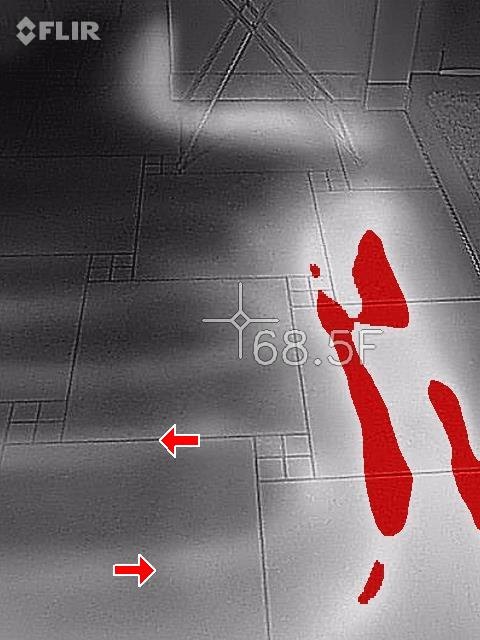
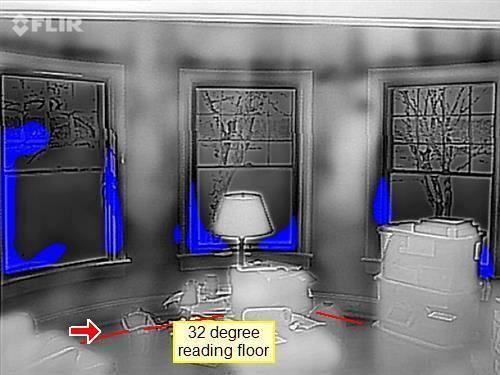
Thermal imaging across a slab floor. On a Levitt-era house with heating pipes in the concrete, this is how a leak is fou
Thermal imaging across a slab floor. On a Levitt-era house with heating pipes in the concrete, this is how a leak is found without breaking anything.
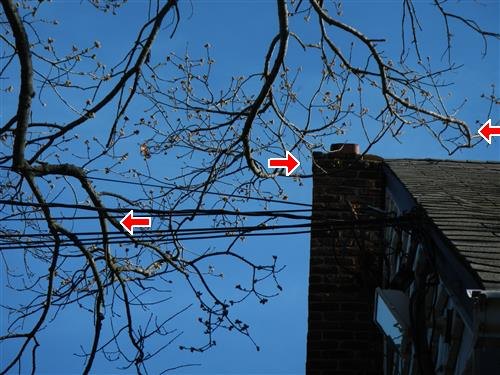
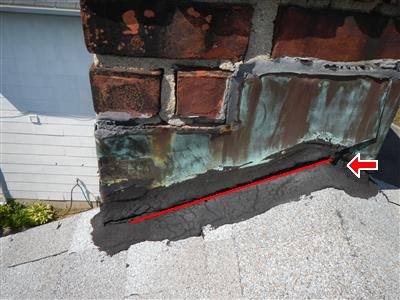
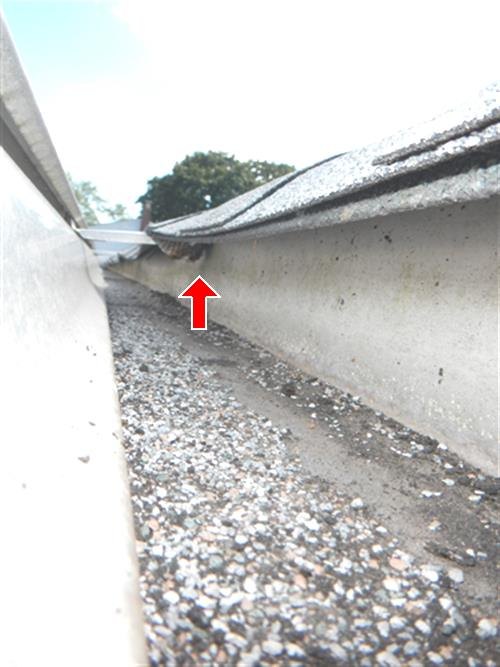
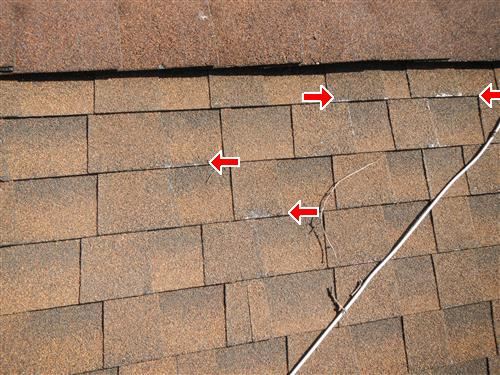
Roof defects arrowed individually rather than summarised as "roof is old".

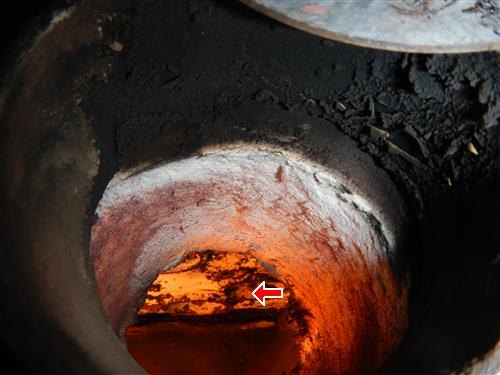
Real photographs from Lou's own inspections, chosen because they show a building component and nothing that identifies a property or an owner.

Service area

Where Lou works

Long Island, the five boroughs and Westchester. The seven areas below each have their own page, because a house in Levittown and a brownstone in Brooklyn fail in completely different ways.

Where Inspect This Home Inspections works A locator diagram of Long Island, New York City and Westchester with the seven areas Lou covers marked: Levittown and Massapequa, Long Beach and Island Park, Garden City and Rockville Centre, Huntington and Northport, Queens, Brooklyn, and Westchester. Levittown & Massapequa Long Beach & Island Park Garden City & Rockville Centre Huntington & Northport Queens Brooklyn Westchester

Locator diagram, not a survey. The dark marker is Wantagh, where Lou is based.

Call Lou Text