In Suffolk, the water and the waste are yours
Roughly three-quarters of Suffolk County is not sewered — on the order of 360,000 homes rely on a cesspool or a septic system in the yard. A cesspool and a septic system are not the same thing; they fail differently, and replacing one is a five-figure job rather than a repair. Establish which one is there, roughly how old it is, where it sits, and whether anything has been built over it.
Further out, the drinking water is yours too. On a private well you are your own water utility: no one is testing it for you, and nothing will tell you when it changes. New York's standards do not require an inspector to evaluate wells, pumps, pressure tanks or septic systems at all. Lou will note what is visible, tell you how it presents on the day, and the report will say plainly where his scope ended. He does not take a fee for sending you to a specialist — New York forbids referral fees in connection with an inspection.
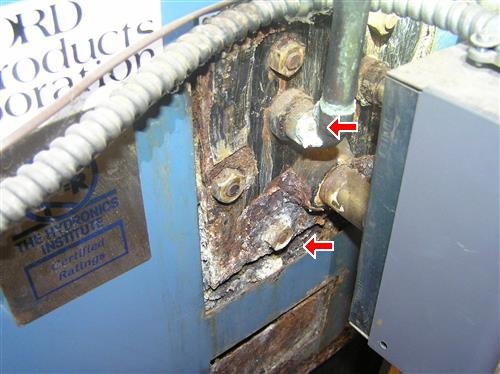
The houses themselves run the full range. West Islip and Lindenhurst filled in through the 1950s and 60s with capes, ranches and splits that age the way sixty-year-old South Shore houses do — eaves and soffits first where gutters failed quietly, boilers from the fittings inward. Dix Hills and Melville carry 1960s–80s colonials on lots that dwarf the quarter-acre South Shore: more roof planes, more framing spans, more systems, and more room for fifty years of ownership to leave marks.
Related: Septic and well, explained · West Islip, town by town · Dix Hills and the big lots.