How do I prepare a house for a home inspection?
Make everything runnable and reachable. Gas, water and electricity on, with pilot lights lit, because systems that cannot be run cannot be tested. The electrical panel reachable with nothing stacked in front of it, since New York requires readily accessible covers to come off. Attic hatches and crawlspace openings clear of stored belongings; the water heater, boiler or furnace clear on all sides; the garage cleared enough to see the walls and the door operator.
Each of those, missing, becomes a line in the report that says not inspected, and why — or a second visit, which costs time and money on both sides. Snow and standing water covering what needs to be seen do the same. The cost page lists exactly these as the things that change an inspection on the day.
Sellers can go further with the cheap fixes that turn up in almost every report: alarms, GFCI protection, downspouts and grading, railings. The seller's checklist has the full list, and the buyer's checklist has what a buyer should have ready.
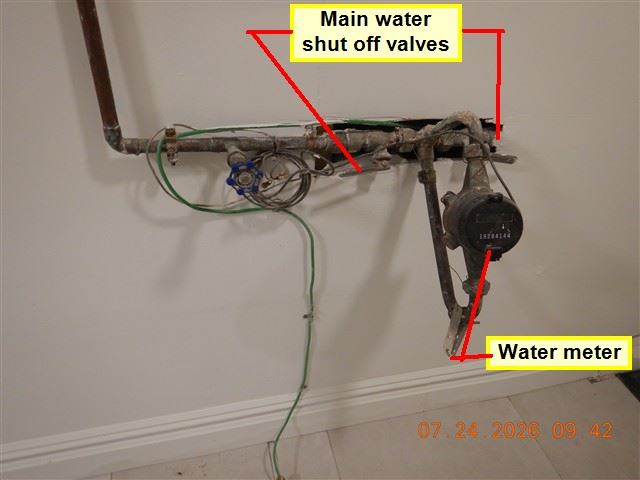
A real photograph from one of Lou’s own inspections, chosen because it shows a building component and nothing that identifies a property or an owner.
Still have a question?
Call, text or email. You get Lou, not a script.
The seller's checklist · The buyer's checklist · What changes the cost on the day